

Category: General

  • A Simple Guide to Solar

    A Simple Guide to Solar

    Hey Readers!

    It’s one thing to say you’ll do something, but most of the confusion and “giving up” actually happens in the process stages. They say the most meaningful lessons are in the journey, but everyone’s bus, so today I tackled keeping your solar process as simple and clear as possible! Essentially, there are 4 steps to getting solar. 

    1. Home Audit & Finding Potential and A Location
    2. Meeting with an Installer & Financing Solar
    3. Reaping the Benefits of Solar & Incentives
    4. End of Solar Lifetime & Next Steps

    Step 1: Home Audit & Finding Potential and A Location

    The good thing about this first step is that most of the struggles are pretty solvable, especially right now. The first step to getting solar is checking your roof’s potential, and there are a couple of ways to get that consultation. 

    1. Utility: The first way is to go through your local utility. Not all utilities offer consultations, but a considerable number do. For example, Dominion Energy has a webpage and sector called Dominion Energy Solutions that provides energy advisors, consultations, personalized quotes, and installations. 
    2. Solar Co-Op Purchasing Program: There are solar co-op purchasing programs that are available throughout the country. In Northern Virginia, 2 programs have just opened their availability. These are group-buying programs which means they offer free solar assessments, bulk discounts on solar systems, and qualified solar installers. For many people, the convenience and guidance these programs offer make them the best choice, however, they have registration deadlines!
      1. Solarize Virginia (April 15th to July 15th)
      2. Switch Together (Fairfax County – unspecified deadline)
    3. Online Resources: If you are thinking of going with a private company/contractor or are just curious, using online resources could be a great way to assess your house’s potential. For residents in northern Virginia, using the Northern Virginia Solar Map can help you get an idea. For residents in other parts of the nation, using the National Renewable Energy Laboratory’s PVWatts Calculator can help you get an idea of different projects. 

    Step 2: Meeting with an Installer & Financing Solar

    The next steps after finding a location and assessing your house’s potential are to work with an installer, choose your panels, and finance the solar. If you have already started working with an installer or a solar co-purchasing group, then half the battle is already done and they will guide you towards the next steps. Whether you have an installer or not at this point, here are some important tips to keep in mind from different experienced advisors.

    National Vs. Local Installers:

    There are a lot of solar options out there from bigtime national companies like Tesla & SunPower, or local companies.

    1. Some buyers choose to get a Power Purchase Agreement or Solar Lease to help pay for solar, which National Companies are more likely to offer
    2. When it comes to quality and issues, it’s hard to generalize, but local companies can be easier to get in contact with
    3. When comparing, discuss the timeline because from local permits to financing options, there is a lot that goes behind the actual installation. Different companies have different advantages.
    4. National Companies are more likely to use subcontractors. This isn’t necessarily bad, but it’s important to look into their quality of work as well.
    5. Smaller local companies may have fewer financing options or a higher interest rate, while national companies may have a higher upfront cost

    Click here to read more

    1. Any reputable solar company should have references for you to contact
    2. How many years they been in business
    3. Do they have local experience?
    4. Make sure they have the right certifications. Some states even require their own licensing.  (Most popular is the North America Board of Certified Energy Practitioners (NABCEP) Solar PV Installation Professional Certification)
    5. What is their installation timeline (some companies have larger crews, quicker build times)
    6. Do they offer monitoring services? Some companies like Tesla & Dominion offer apps for you to monitor your panels in case anything goes wrong, while others monitor for you 
    7. What is their manufacturing certification? Many reputable solar manufacturers have certifications and tier programs (gold, silver, platinum) that indicate specialized training or whether the installer consistently meets the manufacturer’s standards

    Read More Here & Here

    Be Aware! There are scammers right now that are soliciting and offering Solar Programs. Always ask to see their county-issued license before engaging and never provide personal information (birthdate, social security number, etc.).

    When it comes to installing, some people face the most trouble here. Make sure to know your laws. For example, in the state of Virginia, residential customers may install systems up to 20 kilowatts” & homeowner associations (HOAs) typically cannot prohibit solar installations.

    Read more here:  https://www.fairfaxcounty.gov/environment-energy-coordination/going-solar 

    Typically, installers will be updated on these and even have their own, but here are some important ones to keep in mind:

    1. 30% Federal Tax Credit from the 2022 Inflation Reduction Act
    2. State Incentives & Local Tax Exemptions (Fairfax County has a 5-year solar energy equipment tax exemption, for example) 
    3. There are multiple solar financing plans including paying upfront cost, fixed monthly payments, or lease/power purchase agreements. 

    Click here to read more about solar financing or use the calculator on the home page to find solar tax incentives available to you!

    Step 3: Reaping the Benefits of Solar & Incentives

    Once you’ve gotten solar, it’s important to remember to reap the financial benefits. There are multiple programs to do so. 

    1. Make sure to submit the correct forms when applying for taxes and utilizing your tax credits. 
    2. Many local energy utilities offer net monitoring or SREC programs where you can receive rebates or monetary compensation for the extra energy your program generates. Different states have different rates on how much you can earn. Different utilities also offer their rebates when you join their program. For example, Dominion Energy offers different Renewable Energy Programs
    3. Make sure you have a way to monitor the solar either through an app or your installer in case there are any issues.. 

    Enjoy, and get in contact if there are any questions to anna@savemoneyreduceemissions.com !

  • Changes To Your IRA Incentives Under The New Administration

    Changes To Your IRA Incentives Under The New Administration

    With the new Trump Administration, there have been a lot of changes and efforts made to “roll back” the IRA. During his campaign, President Trump expressed his desire to terminate the Inflation Reduction Act. This information was compiled from research done by the Sabin Center for Climate Change Law.  Here is a timeline of some of the key changes made by the new administration, and how they affect your ability to save money and reduce emissions:

    Timeline of Key Events in 2025 (so far)

    Jan 20: Trump Issues Executive Order to Halt All IRA Funding Disbursements

    Under Executive Order (EO) 14154, titled “Unleashing American Energy, President Trump halted the funding of all IRA funding disbursements. Specifically,  all government agencies were directed to stop disbursing Inflation Reduction Act funds immediately.  

    The United States’ Office of Management & Budget released a memorandum to agency and department heads that Trump’s order was limited to “funds supporting programs, projects, or activities that may be implicated by the policy established in Section 2 of the order.” One of the main stances expressed in Section 2 is the administration’s elimination of the “electric vehicle (EV) mandate. This could impact the $4500 EV Federal Credit & EV Charger Rebates. 

    Due to the Trump administration’s freeze on funding and delay of IRA disbursements, Arizona paused its home energy rebate program (valued at $153 million).

    This pause was not limited to red states. California cited uncertainty regarding the Trump administration’s federal funding freeze. The California Energy Commission has paused applications for their $290 million IRA-funded energy rebate program

    After nearly 2 months since IRA funding was frozen, the US Department of Agriculture announced that it will release funding that was already obligated through the Rural Energy For America Program (REAP), Empowering Rural America (New ERA) and Powering Affordable Clean Energy (PACE) programs. 

    1.  IRA section 22002 funds REAP, which supports projects to expand renewable energy and improve energy efficiency in rural communities.
    2. IRA section 22004 funds the New ERA  to reduce emissions from rural electric cooperatives
    3.  IRA section 22001 funds the  Powering Affordable Clean Energy (PACE) programs authorizes USDA to make low-interest loans to expand renewable electricity generation.  

    These are only a few key changes that directly affect your financial incentives, and there are many more projected for the future. One common pattern is that this administration is stopping a large amount of project and nonprofit funding due to various reasons. Keep a look out for a more thorough analysis and other updates on the IRA Status in the future! For any questions, reach out to anna@savemoneyreduceemissions.com!

  • About Save Money Reduce Emissions

    About Save Money Reduce Emissions

    It all began with a love for the environment, hiking, animal documentaries, and a love for writing about issues I was passionate about. Then I had the opportunity to learn from incredible climate professors and lead researchers over the summer after my freshman year, and I was inspired to take the opportunities I’d learned and use my skills and time to spread the word in my community!

    Mission Statements

    Save Money Reduce Emissions is a quick, simple resource to take all the complex data on incentives from around the web and put them at your fingertips. Through incentive calculators, recent news & updates, and much more coming soon, we aim to make navigating your green future with lower costs & lower emissions as simple as possible.


    Our Mission

    Our mission is to empower individuals and communities to save money while reducing their environmental impact. By providing easy access to incentives, tax rebates, and energy-saving opportunities, we help people make informed decisions that benefit both their wallets and the planet.

    Our platform is designed to make sustainability simple and affordable. We connect users with the latest incentives, rebates, and federal programs available in their area, helping them save money on energy-efficient appliances, home upgrades, electric vehicles, and renewable energy solutions. Whether you’re looking for the best washer and dryer for your home, exploring solar options, or researching electric vehicle tax incentives, our website serves as your one-stop resource. Additionally, we provide opportunities for users to get involved in local environmental initiatives, creating a stronger, greener community. Together, we can build a cleaner future while keeping more money in your pocket.

    Future Vision of Save Money Reduce Emissions

    1. The future vision for this website is to be a catalyst in aiding communities to take tangible actions for both the environment and their wallet.
    2. We aim to create a vibrant online community where users can share experiences, tips, and success stories,
    3. Become a trusted advisor to policymakers using our data and user insights to inform and shape environmental policies. 
    4. Develop a Business 2 Business platform to help businesses transition to sustainable practices and access corporate incentives.

    Thank you for reading! Reach out to anna@savemoneyreduceemissions.com with any questions!

  • Test Blog by anna

    Test Blog by anna

    Solar Thermal Systems: Solar thermal systems use sunlight to heat water or other fluids. These systems are commonly used for heating water in residential and commercial buildings or for generating steam to produce electricity in large-scale power plants.

    Off-Grid and Grid-Connected Systems

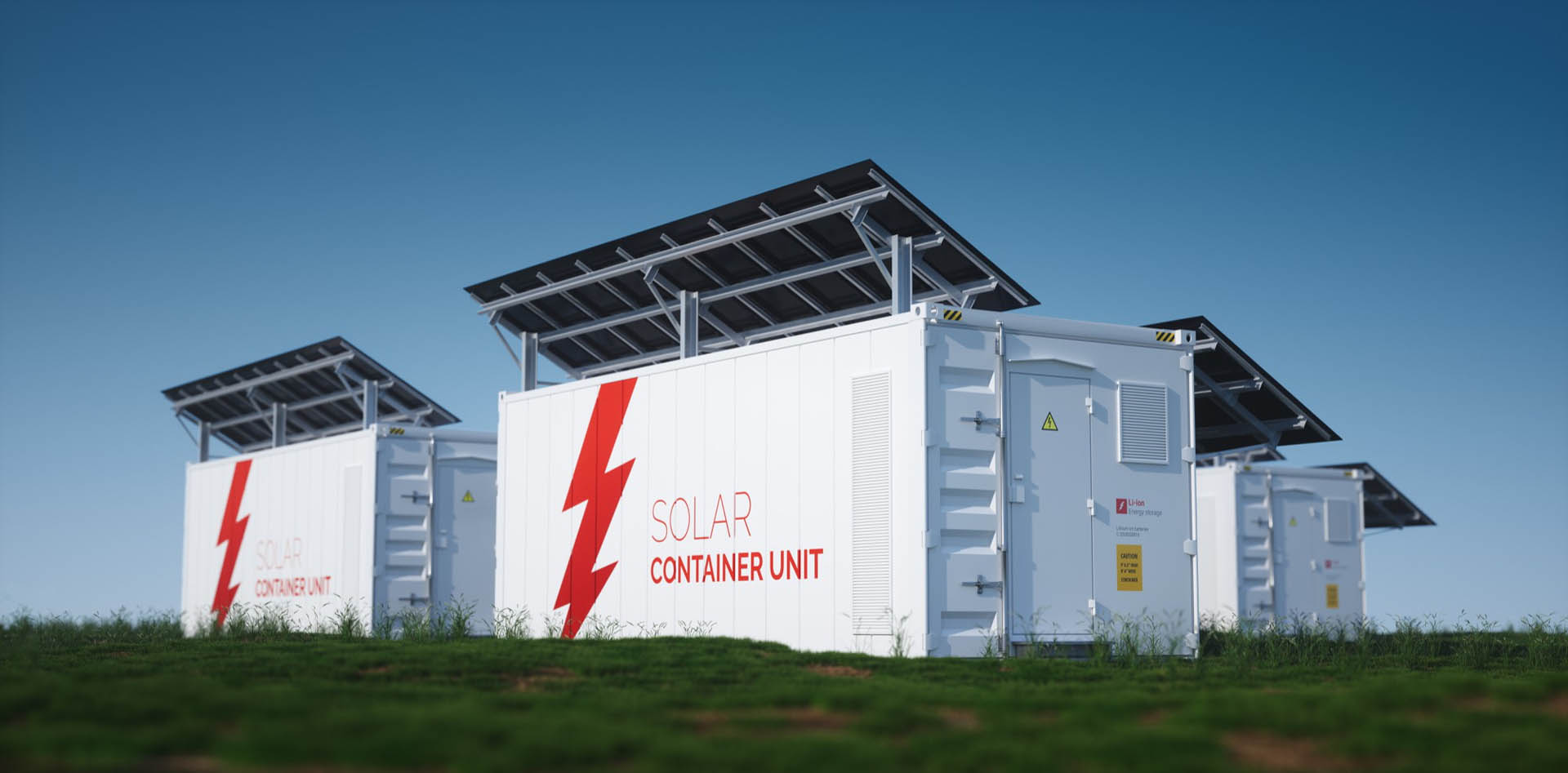
    Solar energy can be used in both off-grid and grid-connected systems. Off-grid systems are independent and not connected to the main power grid. They typically use batteries to store excess energy for use during periods of low sunlight. Grid-connected systems, on the other hand, are connected to the utility grid. Excess electricity generated by these systems can be fed back into the grid, and energy.
    Off-Grid and Grid-Connected Systems

    The cost of solar panels and associated equipment has significantly decreased over the years, making solar energy more accessible and economically viable. Technological advancements have also improved the efficiency of solar panels, allowing them to convert a higher percentage of sunlight into electricity.

    Applications

    Solar energy can be used for various applications, including residential and commercial electricity generation, water heating, powering small electronic devices, and even in large-scale solar power plants that contribute to the electrical grid.
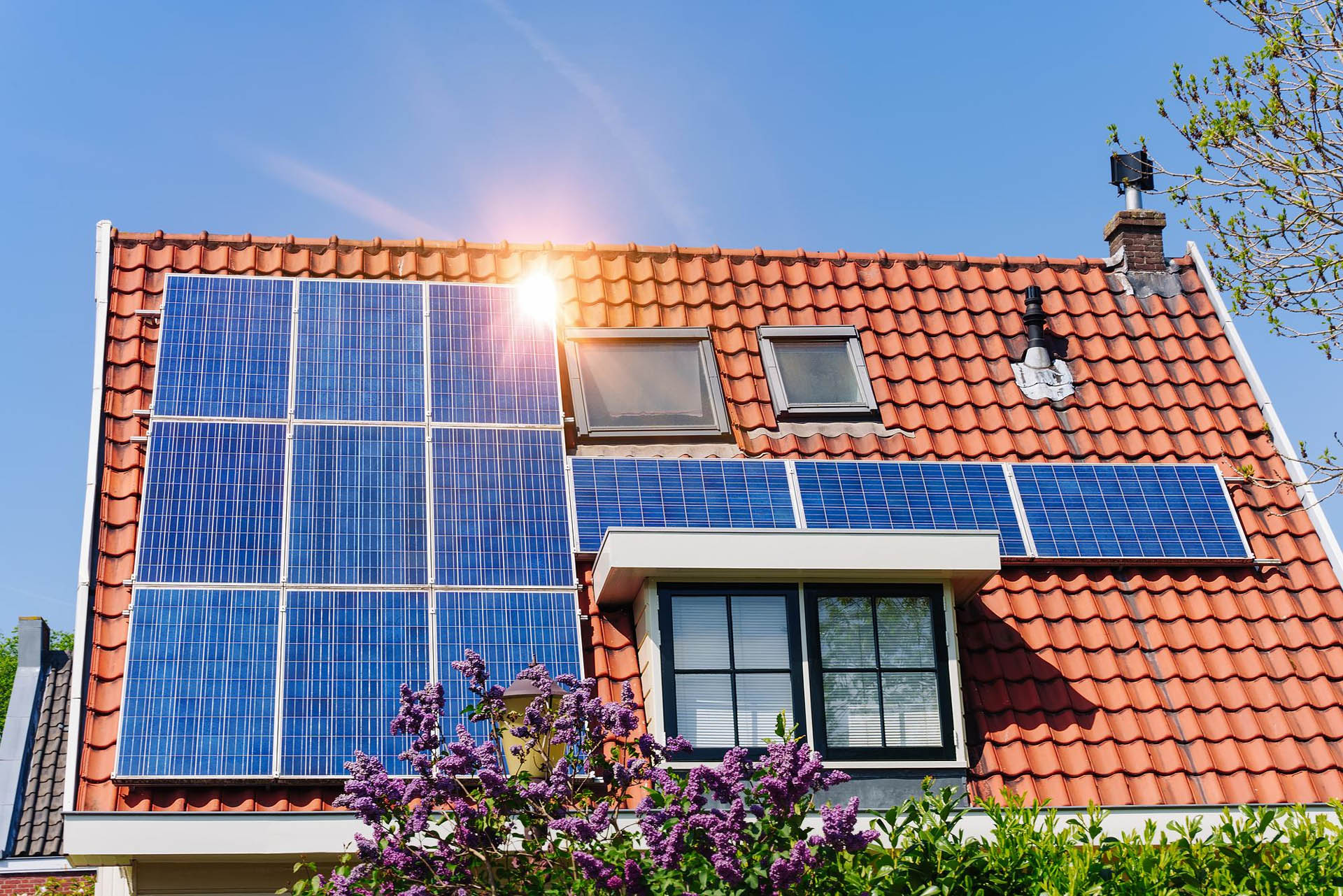
    Despite its numerous advantages, solar energy does face some challenges. One of the main limitations is its intermittent nature, as solar power generation depends on sunlight availability. Energy storage technologies, such as batteries, are being developed to address this challenge. Additionally, the initial installation cost of solar systems can be relatively high, although it is often offset by long-term energy savings.
  • Test Blog

    Test Blog

    Solar Thermal Systems: Solar thermal systems use sunlight to heat water or other fluids. These systems are commonly used for heating water in residential and commercial buildings or for generating steam to produce electricity in large-scale power plants.

    Off-Grid and Grid-Connected Systems

    Solar energy can be used in both off-grid and grid-connected systems. Off-grid systems are independent and not connected to the main power grid. They typically use batteries to store excess energy for use during periods of low sunlight. Grid-connected systems, on the other hand, are connected to the utility grid. Excess electricity generated by these systems can be fed back into the grid, and energy.

    Off-Grid and Grid-Connected Systems

    The cost of solar panels and associated equipment has significantly decreased over the years, making solar energy more accessible and economically viable. Technological advancements have also improved the efficiency of solar panels, allowing them to convert a higher percentage of sunlight into electricity.

    Applications

    Solar energy can be used for various applications, including residential and commercial electricity generation, water heating, powering small electronic devices, and even in large-scale solar power plants that contribute to the electrical grid.
    Despite its numerous advantages, solar energy does face some challenges. One of the main limitations is its intermittent nature, as solar power generation depends on sunlight availability. Energy storage technologies, such as batteries, are being developed to address this challenge. Additionally, the initial installation cost of solar systems can be relatively high, although it is often offset by long-term energy savings.